
Find the Fireflies
Learn About Fireflies
Fireflies are beetles, not flies—and the more you learn about them, the more interesting they become.
Start with the basics
What Is a Firefly?
Fireflies are beetles in the family Lampyridae. Many are famous for producing their own light, but not every species flashes as an adult. Their glow is produced by specialized light organs called lanterns, and in many species that light is used for communication, courtship, and finding mates.
Fireflies are far more varied than they first appear. Different species can differ in size, color, body shape, habitat, activity time, flight height, flash color, flash rhythm, and even whether they flash at all. Some are easiest to notice flying over open grass, while others stay low in vegetation, woodland edges, wetlands, or leaf litter.
What looks like a single kind of “lightning bug” in the yard may actually be several different species sharing the same evening, each with its own behavior and way of communicating.

The light behind the light
Why Do Fireflies Glow?
Fireflies produce light through a chemical reaction inside specialized light-producing organs called lanterns.
In many species, adults use flashes to communicate and find mates. Flash color, timing, height, and pattern can all carry information.
Most of the story happens out of sight
The Firefly Life Cycle
Fireflies pass through four main stages: egg, larva, pupa, and adult. Most of their lives are spent before adulthood, often hidden in soil, leaf litter, or other damp places.
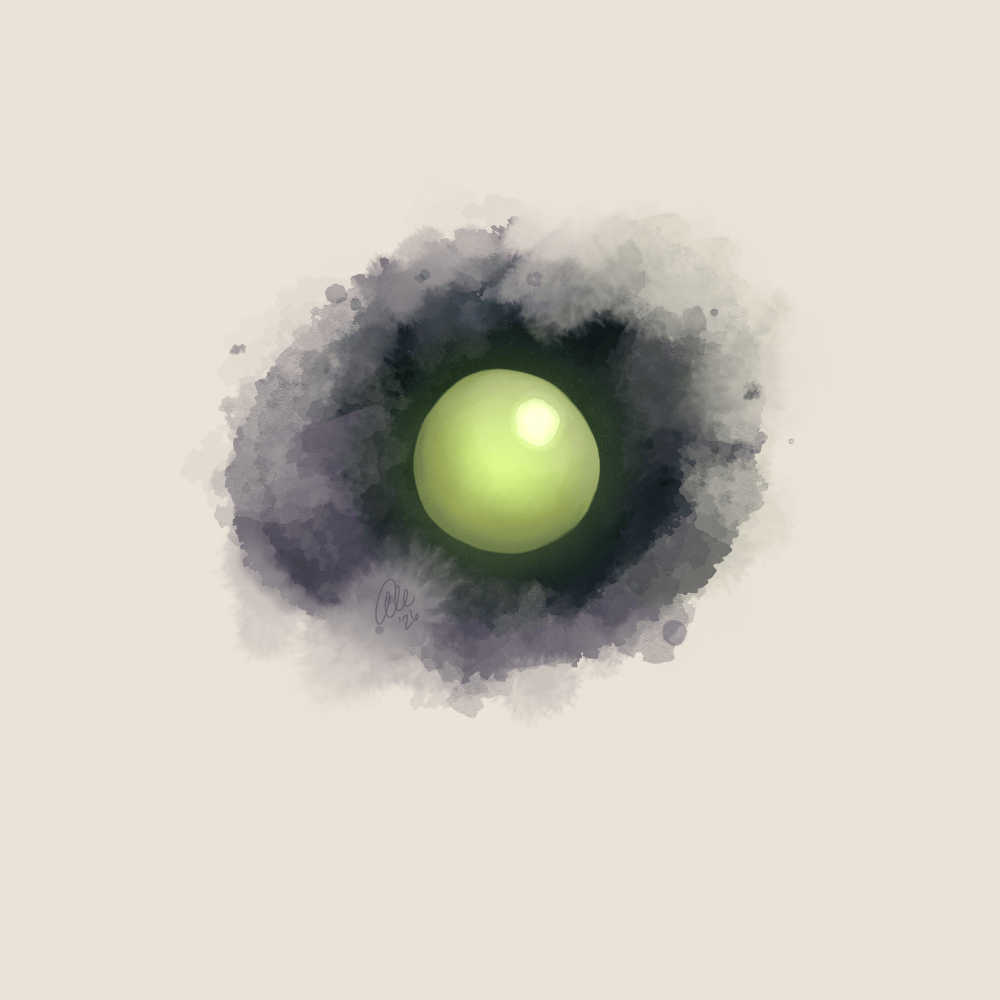
01
Egg
Fireflies begin life as eggs, usually laid in or near moist soil, leaf litter, or other sheltered places.
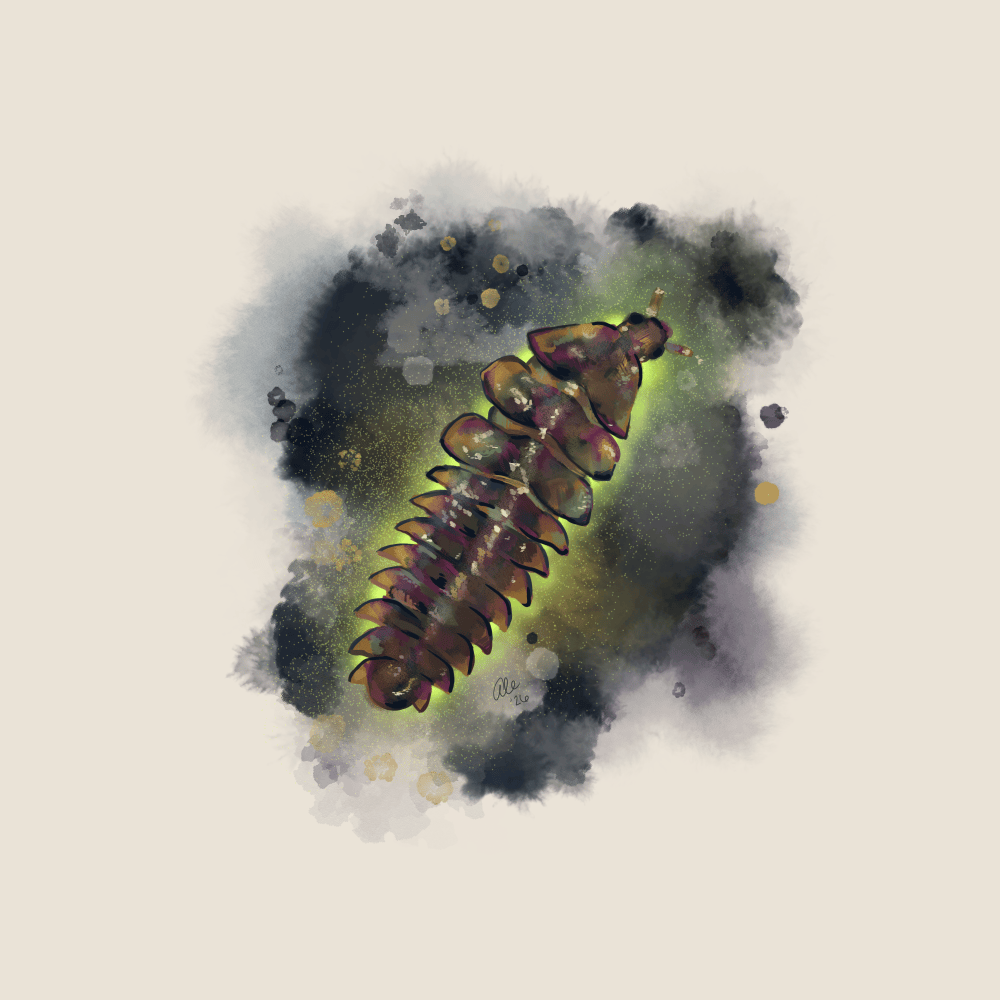
02
Larva
The larval stage can last much longer than adulthood. Many larvae live close to the ground and hunt small prey.

03
Pupa
During the pupal stage, the firefly transforms into its adult form.
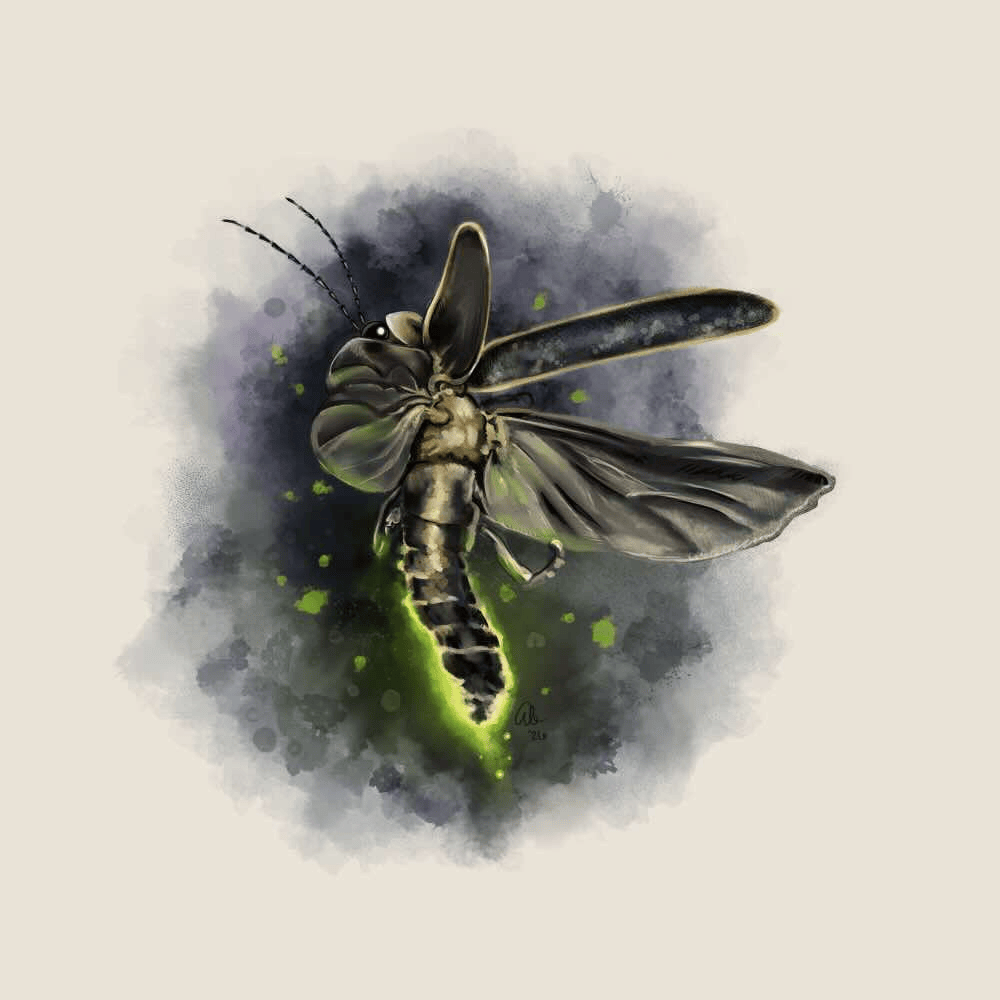
04
Adult
Adults emerge to reproduce, and many species use light as part of courtship and communication.
Not all flashes are the same
Flash Patterns Matter
Fireflies do not all blink randomly. Different species may flash at different heights, times, colors, and rhythms.
Once you begin watching the pattern instead of only the light, the fireflies around you start looking much less alike.
These are only a few examples. Firefly flash patterns vary widely between species, and the goal here is simply to show how different those displays can be.
Flash train + glow
Cypress Swamp Firefly
Photuris walldoxeyi
Males give a distinctive train of 4–9 bright, quick pulses about 0.4 seconds apart, followed by a longer diffuse glow.
The primary display is often followed immediately by two additional pulses and another glow.
Primary FT+G
Secondary FT+G
Quick repeating single flashes
Snappy Single Sync
Photuris frontalis
Males give quick flashes about every 0.65 second at 72°F. Lone males may simply keep their own rapid beat.
Where males are more densely grouped, nearby individuals may synchronize intermittently before falling out of step again.
Repeating male flash
approximately 0.65 s between flashes at 72°F
A long traveling flash
Big Dipper
Photinus pyralis
Males produce a relatively long yellow flash lasting about 0.6–0.8 second, usually repeating every 5–7 seconds at 72–78°F.
The male dips and then rises while flashing, creating the familiar J-shaped display that gives the Big Dipper its name.
J-shaped flight + flash
one long flash, then several seconds of darkness
These simplified visualizations are based on flash descriptions published by firefly naturalist Lynn Faust in her books and papers. They are intended as educational examples, not exhaustive identification guides. For fuller species descriptions, timing details, and field observations, see Faust’s published work.
Habitat shapes the story
Where Do Fireflies Live?
Depending on the species, fireflies may be found around woods, fields, wetlands, gardens, grassy edges, leaf litter, and other places with enough moisture, shelter, and food.
Woods & Edges
Woodland borders can provide shade, moisture, shelter, and varied habitat.
Fields & Grass
Some species are commonly seen flying low over grasses and open areas.
Wet & Damp Places
Moist environments can be especially important during the immature stages.
Backyards & Gardens
Fireflies can live surprisingly close to us when the habitat gives them enough darkness, cover, and moisture.
Not All Fireflies Flash.
Some adult fireflies do not flash at all, and others may be easy to miss because they stay low, appear only briefly, or are active at different times of evening.
Want to go deeper?
Looking for the research?
Find the Fireflies is the public education side of the project. My deeper field observations and species-specific work—especially on Photuris frontalis—live separately at PhoturisFrontalis.org.
Ready to go outside?
Learn where to look, find simple ways to make more room for fireflies, and take a free guide with you.